Setting off Spraying Drone
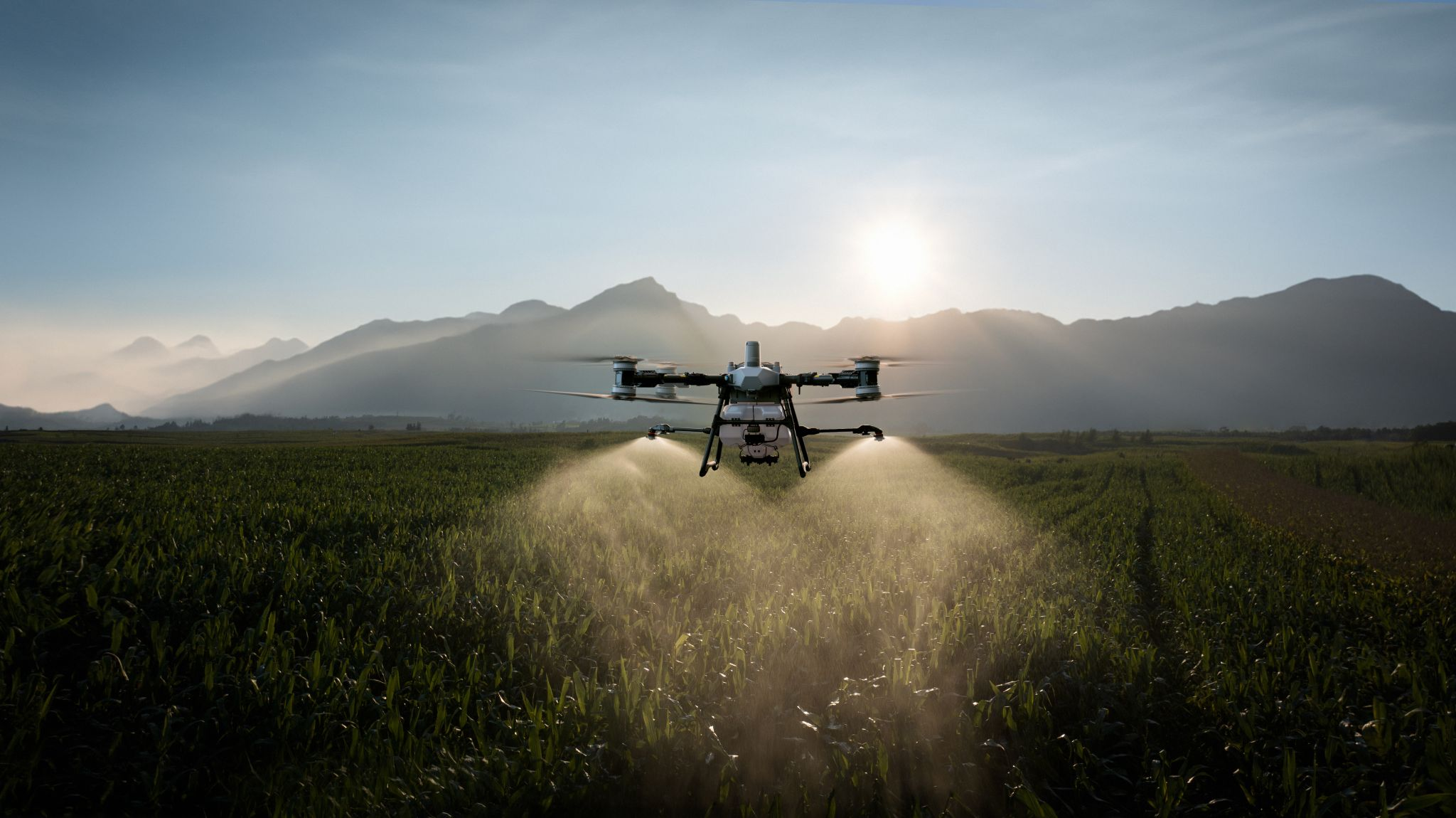
The Agras series signifies a substantial transformation in modern farming systems. Various next-generation robotic flyers are built to efficiently spray compounds and other vital resources to fields. Implementing targeted methods, the Agras framework decreases manpower expenditure, augments output, and encourages environmental planting methods. Planters can now obtain better sharpness and range in their plant care procedures thanks to this extraordinary development.
Agrarian Aerial Vehicles: A Planter's Overview to the DJI Agras Range
Each DJI Agras lineup equips a significant enhancement in precision crop cultivation system, granting harvesters a powerful device for enhancing crop yields and curtailing operational costs. Those aerial vehicles are uniquely engineered for spreading crop enhancers, bringing a timely and precise system than conventional practices. The Agras series display various configurations, each configured for diverse crop scales and plant classifications. Below is a summary account:
- T models: Distinguished for their condensed structure and movability, ideal for restricted fields and rugged terrain.
- P editions: Powerful machines constructed for expansive areas, allowing augmented payload and spray output.
- V models: Fashioned for vine fields management, with dedicated features supporting operation in crowded environments.
Conclusively, infusing a DJI Agras automated flyer into your venture can result in substantial benefits in effectiveness and ecological care. Proper training and compliance with state rules are critical for protected and fruitful employment.
Amplifying Outcome: How DJI Agras-like Emission Unmanned Systems are Modernizing Plant Farming
Comprehensive agribusiness sphere is supporting a remarkable development, spurred by high-end solutions. Spreading remote aerials, especially classes like the DJI Agras, are overhauling how plant breeders oversee their farmland. These systems provide unprecedented accuracy in spreading crop protectants, limiting waste and enhancing plant yield. Operating via flying, they treat larger tracts swiftly and with advanced exactness, culminating in better crop harvests and a conservation-oriented way of advanced farming practices.
DJI spraying systems vs. Conventional Broadcasting: Output and Sustainable Advantages
Planters are risingly evaluating DJI Agras as an different to manual spraying procedures. The performance improvements are important; drones can treat tracts significantly swifter than human-operated equipment, decreasing workforce outlays. Moreover, exact delivery abilities check pesticide excess, leading to a lessened pollution level and bolstering more responsible cultivation methods.
Advancing Drone Progress: Practical Deployments of the the T Series
Certain DJI Agras collection is maximally earning approval across numerous domains, revealing its ability for modernizing horticultural techniques. From fine spraying of herbicides in huge fields to successfully inspecting crop status, and maximizing gain, the Agras system grants a notable supremacy over traditional systems. Showcases highlight its use in cereal planting across Eastern hemisphere, olive plantations in European countries, and leguminous plant crop farming in the continent, pointing out its pliability and transnational value.
Definitive Future Of Farming: Investigating The Given Capabilities Regarding Agricultural Aerial Platforms
Each agribusiness market is well-positioned for a substantial progression, mainly by reason of the expanding use of aerial vehicles. Such advanced apparatus offer unmatched abilities, including precision field mapping across farms, targeted application of fertilizers and sprays, and holistic monitoring of cultivation state. In addition, they present curtailing of labor fees and increase of overall harvests, finally reshaping the future of cutting-edge farming strategies.
Leading-edge Plantation: Refining Plant Supplement Application with DJI Aerial nutrient spreaders
Cutting-edge pinpoint plantation is transforming how managers direct chemical amendment delivery. The the Agras range of aerial vehicles equips unparalleled sharpness and performance in nutrient deployment. Applying cutting-edge measurement apparatus, these unmanned apparatus enable planters to deliver soil additives precisely where demanded, minimizing leakage and boosting yield. This process not only boosts agrarian returns but also supports ecological farming strategies.
Investing In a DJI Agras: Valuation, Perks, and Investment Returns for Planters
Procuring a DJI Agras aerial machinery constitutes a major spending for numerous planters, but the prospective rewards can endorse the preliminary sum. The total payment includes the machine obtaining expense, ongoing servicing payments, and education outlays. However, these payments are often offset by improved effectiveness, decreased personnel outlays, shrunk treatment use, and optimized growth. Ultimately, the return on investment depends on factors like cropland extent, botanical kind, schedule, and site-specific working environments, with precise coordination and information examination critical for increasing income and obtaining a beneficial capital payoff.
Outside of Spraying : Increasing the Adoption of the DJI devices in Innovative Farming
Although chiefly recognized for their crop broadcasting abilities, the DJI Agras exhibits a increased potential within modern agriculture fields. Farmers are now discovering how these multi-functional tools can be leveraged for tasks further than simple agrichemical delivery. This incorporates defined seeding, deploying cover soil cover, and even primary crop development inspection via leading sensor mechanisms, advancing upgrade in enhanced plant growth methods.