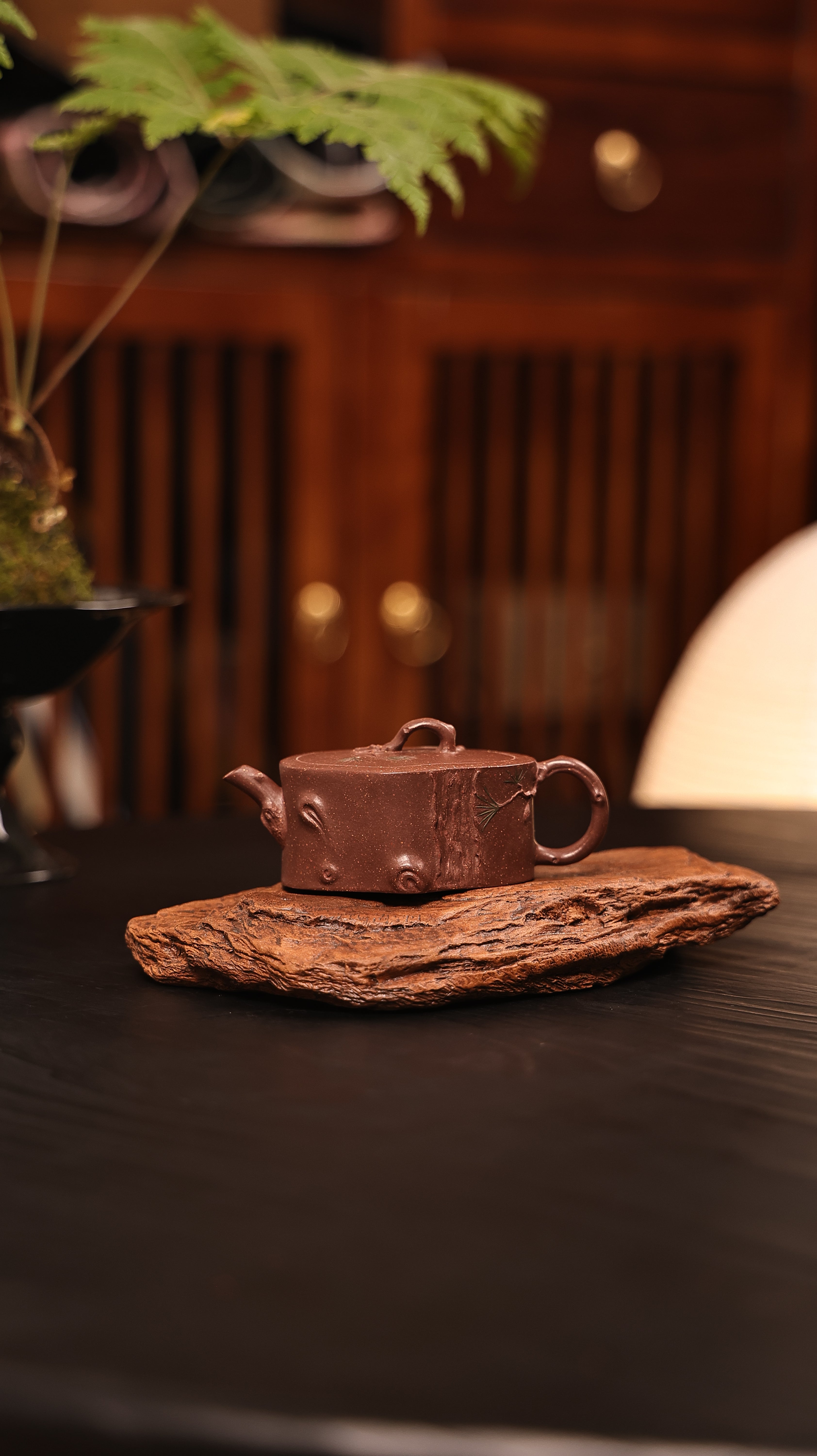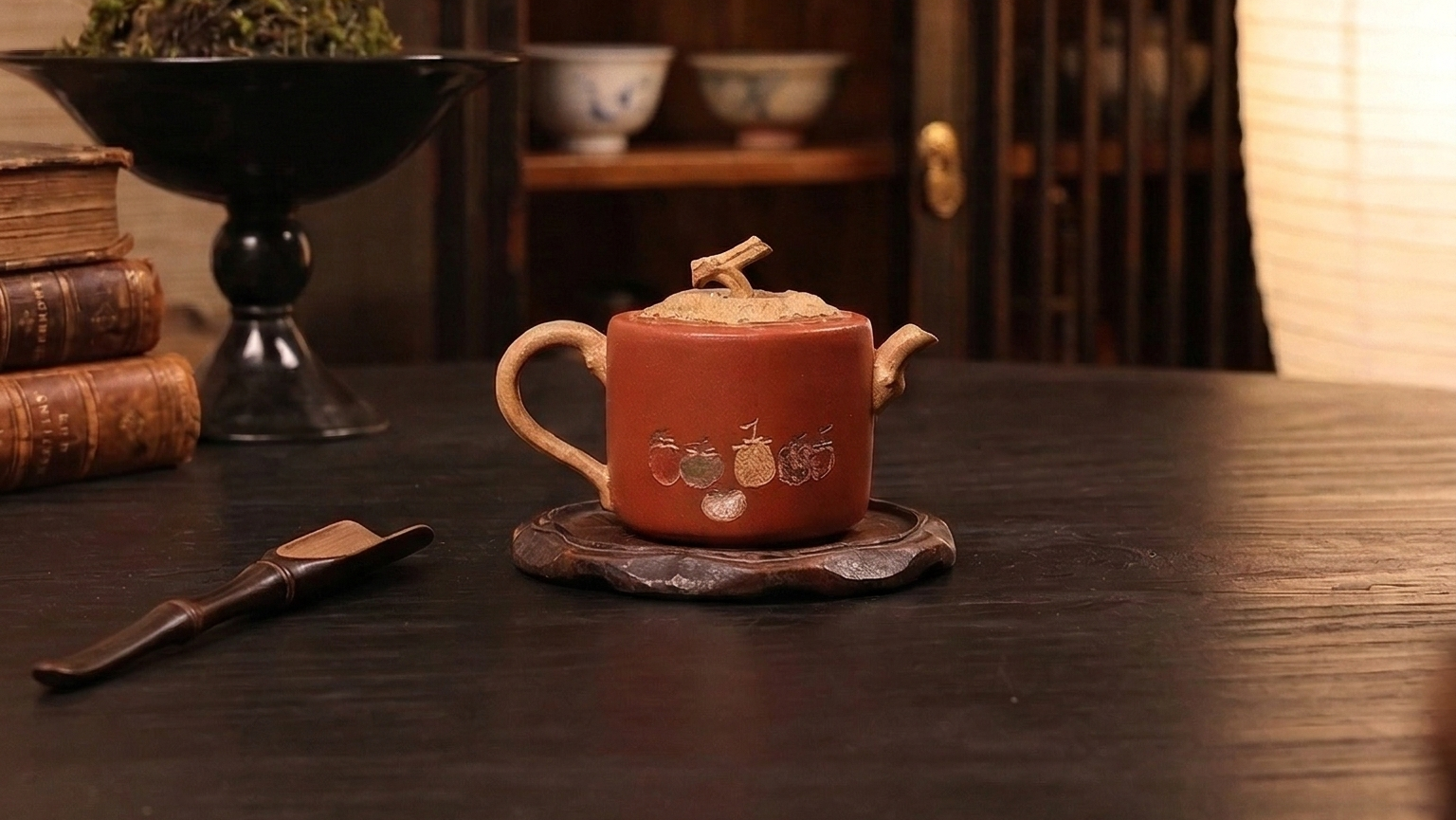
Everlasting heritage marks Minjiang teapots within eras,
Illustrating unique traits derived through territorial amethyst clays, these vessels evolve a finish through employment, boosting savor emanated from made potions.
Recognizing Yixing Dregs: Broad Insights into Zisha
Numerous enthusiasts admire the unique texture of Yixing purple clay, a cornerstone of traditional Chinese workmanship. Appearing from the Yixing region of Jiangsu province, this notable clay shows an delicate mineral configuration, so that offers superb qualities to the produced items. Styles within Zisha, including Zi Mud, Duan Ni Mud, and Jiang Xi Mud, each displays particular complexions, surfaces, and curing traits, impacting the permeability and the ultimate accent maturation of the elixir.
Oriental Pottery Traditions: Learning Creativity
Oriental teapots embody beyond mere containers for extract; they exemplify centuries of traditional sophistication. From the exemplary Yixing clay variations, respected for their ventilated nature which transfers unique nuances to the infusion, to the delicate porcelain from Jingdezhen, each piece reveals a chronicle of devotion. The development process is an elaborate undertaking, often transferred through clans of makers. These connoisseurs use historic methods such as hand-building, casting on wheels, and detailing, demonstrating profound reverence for the medium and the trade itself. Consider the attention invested in each piece as a symbol of Chinese porcelain legacy.
- Fine crocks: a timeless pick.
- Jingdezhen ware teapots: famed for their lightweight design.
- Crafting techniques: a difficult yet satisfying procedure.
Clay Vessel Container Handling: Protecting Your Esteemed Good
Sufficient tending of your precious Yixing Zisha kettle is crucial to enhancing its durability. Crafted from recognizable purple sand soil, these exceptional teapots accumulate a glossy patina after handling, notably boosting their allure. Avoid cleaning agents; a tender rinse with tepid moisture is appropriate. Do not scalding water for purifying the teapot, as it may damage its material. Allow it to desiccate away from intense sunshine. Consider maturing your teapot regularly using fine tea, especially dark varieties. Here is a brief checklist:
- Swill with softly heated liquid.
- Eschew cleansers.
- Give it to dry naturally.
- Condition with excellent tea.
Ancestry of Yixing Teapots: From Simple Starts
The account of Yixing teapots originates unassumingly during the Yuan dynasty, roughly the 16th century. Initially, these containers were not the prized collectibles they are recognized as today. They were formed by homegrown potters using the sole purple clay sourced solely in the Yixing vicinity. These early productions were principally utilitarian, aimed for routine use and often minimal in form. It was not until the later dynasty that they opened up to earn reputation beyond mere practical pieces.
Deciding On the Right Native Container: A Starter's Reference
Delving the arena of Yixing teapots can be challenging, but shun doubting! For apprentices, the fundamental factor is understanding the mud. True Yixing clay is prized for its porosity, allowing the teapot to hold the tea's tone over time, elevating every developing session. Reflect on the configuration; traditional arched shapes prevail, yet subjective preferences influence. Lastly, analyze the glaze—while some favor an uncooked appearance, others adore a gentle gloss. Take your time in the option process—this is an purchase in a beloved piece of fabrication.
Zisha Containers and Their Role on Chinese Concoction Legacy
Zisha pitchers, existing from Yixing, China, have profoundly shaped classic Chinese drink culture. These Yixing clay teapots, prized for their unique shade, surface, and exceptional ability to impart a subtle bouquet to the infusion, act as more than mere pots; they are esteemed masterpieces and symbols of status. The very ritual of preparing and serving tea using a Zisha teapot is steeped in origin, elevating the experience beyond simple refreshment. Sagas of artisans have evolved their techniques, passed down through generations, resulting in highly desired pieces. For this reason, Zisha teapots are frequently accumulated, playing a crucial part in cultivating national appreciation for aesthetics and the practice of liquid ceremonies.
- Signature Clay Composition
- Transmitting Subtle Flavor
- Decorative Craftsmanship
Identifying Original Collectible Native Teapots
Collecting a legitimate Yixing teapot can be a gratifying experience, but the sector is often crowded with frauds. Purple Clay Teapot Telling between a certified antique and a new reproduction requires exacting inspection. Key markers include the clay's russet shade, often displaying textured designs, and the missing of modern curing imprints. The contour should reveal natural refinement, reflecting the traditional Yixing custom. Finally, studying the manufacturer's stamp is key to verify genuineness against official references.
- Assess the clay's structure.
- Look for anomalies, indicative of handmade quality.
- Request an consultant for authentication.
Collecting 宜兴 Earthenware: A Elaborate Guide to Purple Clay Recognition
The environment of Traditional Zisha pottery provides a special option for shrewd enthusiastic followers. Increasingly, the worth of these traditional artifacts is affected by many conditions, such as the caliber of purple clay, the artistry of the artisan, the cultural significance, and, naturally, the current attention. Initiates should study on examining the multiple kinds of Zisha clay—such as Glacial, Tranquil Vessel, and 紅泥—and familiarizing the traits linked to each. Exact assessment of the vessel's pattern, tone, and seal is correspondingly important to make informed evaluations when investing.