Stoneware figure constitutes a impressive work form with a lengthy record, spreading back numerous of generations. From ancient pots to modern arrangements, the stuff offers peerless possibilities for creative rendering. Makers adopt assorted techniques – including coiling, wheel shaping, and developed firing processes – to fashion humble silt into beautiful three-dimensional pieces. The resilience of fired stoneware also contributes to its status as a truly memorable part of human custom.
Researching Ceramic Tile Patterns and Processes
The domain of ceramic marker design offers a expansive array of imaginative possibilities. Creators often adopt a amalgamation of conventional and current techniques to generate visually spectacular pieces. These can vary from simple, crafted reliefs to complex, multi-layered assemblies. Conventional methods include pattern casting, sculpting by hand, the glaze process – which can involve several approaches like base glaze illustration, overglaze decoration, and sgraffito where designs are made visible by excavating a layer of shell. Extended analysis into decorative coatings such as flash firing and sheen enhancement can result in truly distinctive and personalized terracotta tablets.
- Form Casting - Producing pieces using a mold
- Manual Crafting - Delicately building the soil
- The glaze process - Applying the shell with a glossy finish
- Scratched decoration - Revealing designs by excavating overlays
Engaging Experiences: Pottery Art Arrangements
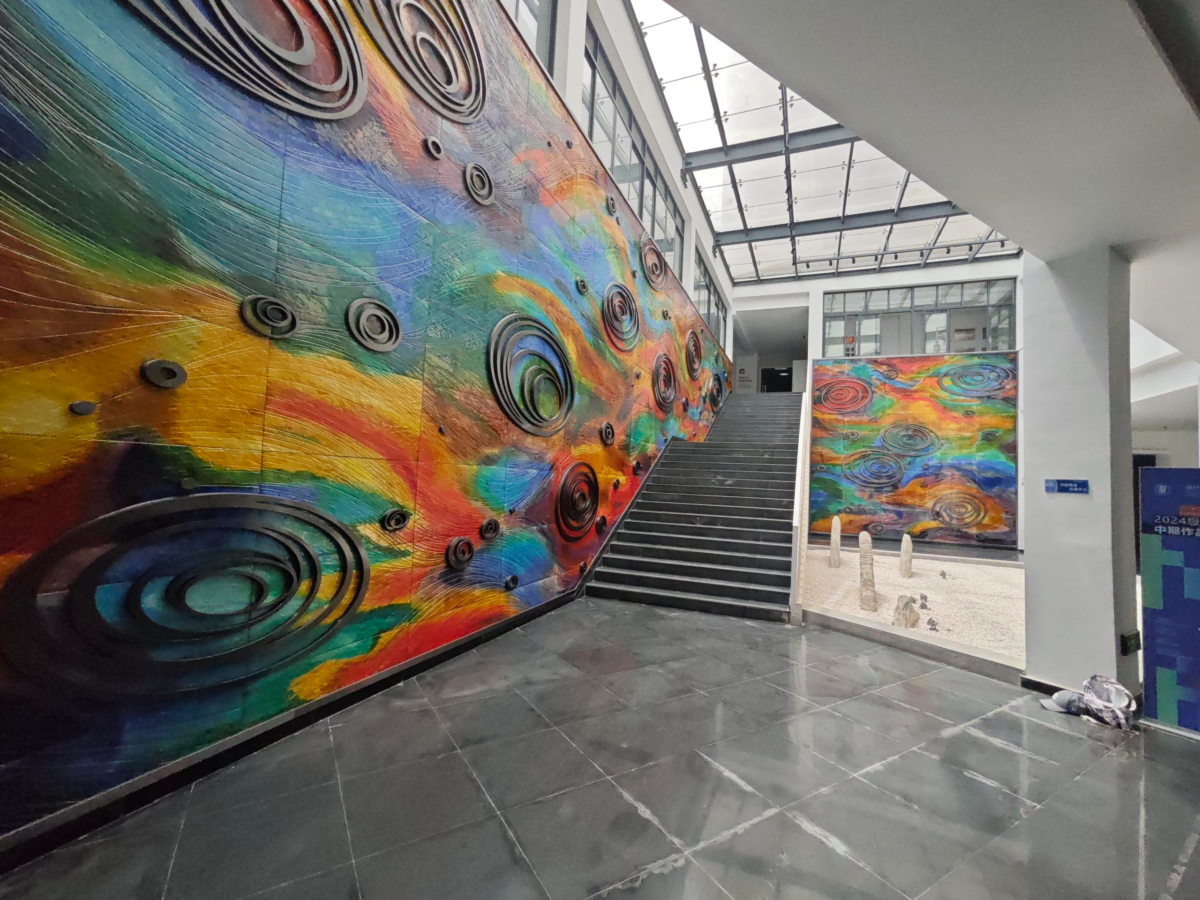
The expanding landscape of imagination presents exciting contemporary avenues for participants, and ceramic art installations are at the summit of this revolution. These aren't just static forms; they are assembled to envelop the viewer in a sensory environment. Imagine travelling across a forest of towering, coated ceramic trees, or navigating a labyrinth of exquisite ceramic vessels. Many creators are now incorporating acoustics, visuals, and even smell to enhance the effect of their work. Contemplate the power of a room filled with hundreds of meticulously ceramic objects, each telling a chronicle. Frequently, such installations analyze themes of the earth, history, and humankind.
- The mentioned installations blur the distinctions between figure and environment.
- Viewing a ceramic art installation can be a deeply affecting journey.
- Artisans are extending the thresholds of what is possible with clay.
One Beauty of the Pottery Receptacle: Purpose and Appearance
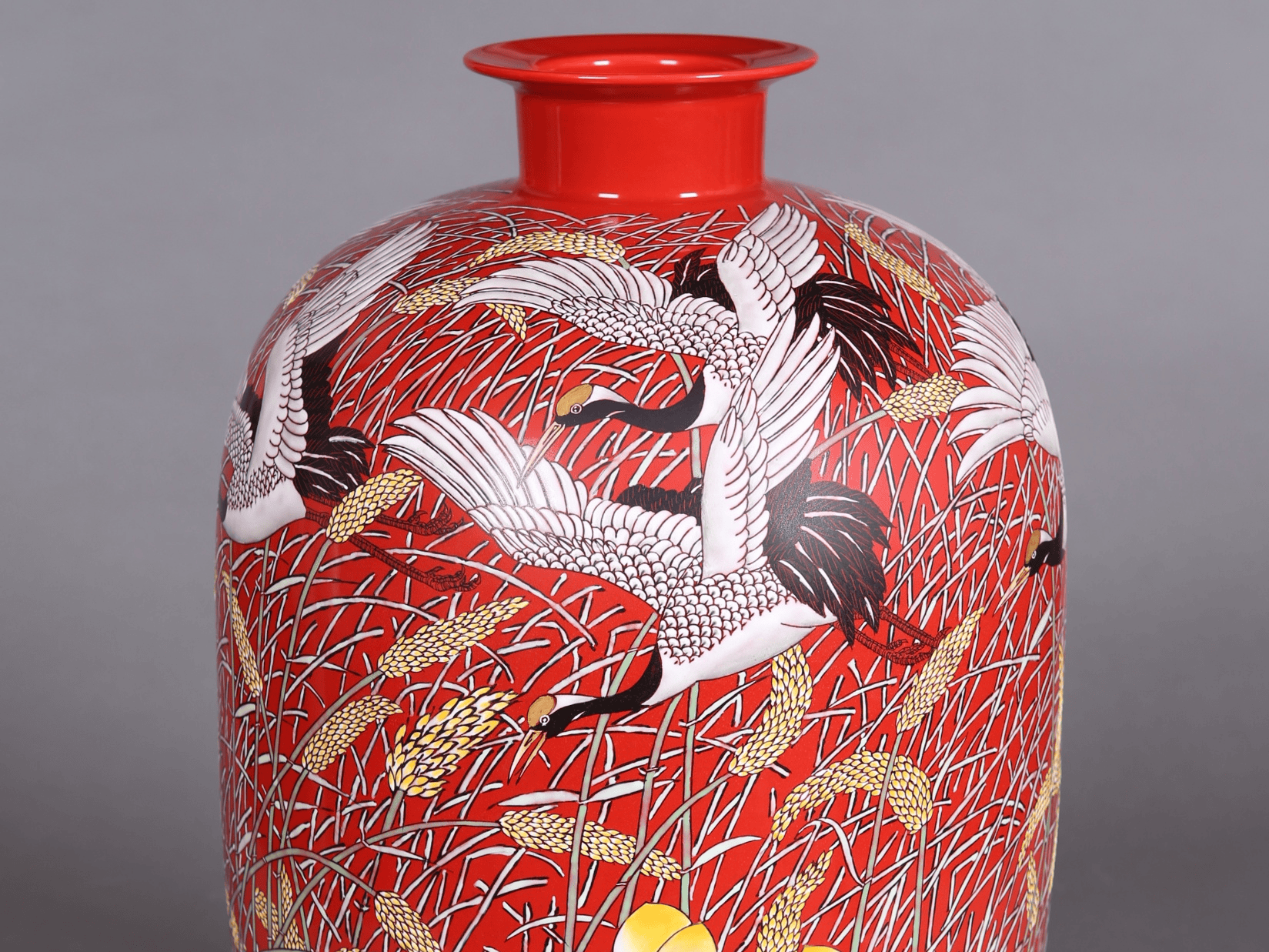
The ceramic container represents a impressive combination of efficiency and stylish appeal. Historically, these containers served a fundamental job in storing substances, but their expansion has transformed them into highly valued works of craft. Each work showcases the know-how of the potter, demonstrating how structure can be as noteworthy as application. The deliberate shaping, the exceptional glazes, and the holistic presence of a well-made holder can raise a space, offering both elegance and a modest reminder of the maker’s hand.
Modern Clay Creation : Reaching Perimeters
Modern clay work represents a fascinating transition from time-honored practices. Builders are actively innovating with different processes, dissolving the frontiers between design and additional craft spheres. From large installations to detailed miniature pieces, such works examine themes of environment while together revolutionizing the nature of what stoneware can become. The effect is a energetic domain of originative performance.
Pottery Marker: Protecting Past in Earth
Clay plaques offer a distinctive method for recording significant events and people. Unlike traditional metal or stone markers, these enduring pieces of handiwork are formed from treated clay, creating a palpable link to the yesteryear. Commonly, they depict intricate carvings or hand-painted imagery, revealing stories that might otherwise be disremembered. A technique, stemming from ancient peoples, provides a aesthetically pleasing and lasting way to acknowledge our Travel Cup Set collective heritage.
- Those can be installed in public spaces.
- A large number of are now classified historical objects.
Pottery Art Assemblies: Remodeling Locations
Pottery art installations are materializing a strong medium for sculptors to revise public and private places. These immersive designs frequently involve large-scale clay artifacts that surround viewers, redirecting their appreciation of the designed environment. By infusing diverse procedures like coil construction and complicated firing approaches, ceramic artists create truly singular experiences, challenging the frontiers between creation and venue. The product is often a poignant metamorphosis that enhances the sensory quality of the place and stimulates conversation.
Genesis Spinning Device to Delight: The Art of the Terracotta Pot
The journey of a terracotta vase from a simple lump of mud to a finished work of creation is a testament to human craftsmanship. Conventionally, the process commences with the potter’s lathe, where the masterful artisan molds the revolving terracotta into a cylindrical structure. This beginning stage demands exactness and a acute eye, followed by a delicate hardening period. Once pre-fired, the receptacle is ready for embellishment, which may engage designing intricate designs, cutting detailed portraits, or using a range of layers. The final heating process then converts the artifact into a durable and beautiful container, a tangible expression of the builder's vision.
Working with Stoneware: A Course to Brick Craft
Entering the field of terracotta production begins with understanding the fundamentals of carving with stoneware. The aforementioned approach involves thoughtfully layering and taking away components to make three-dimensional creations. If you're a starter or a master artist, experimenting with various kinds of ceramic material – including terracotta – will aid you reveal your singular technique. Conclusively, brick forming is a valuable undertaking that merges skilled know-how with expressive presentation.