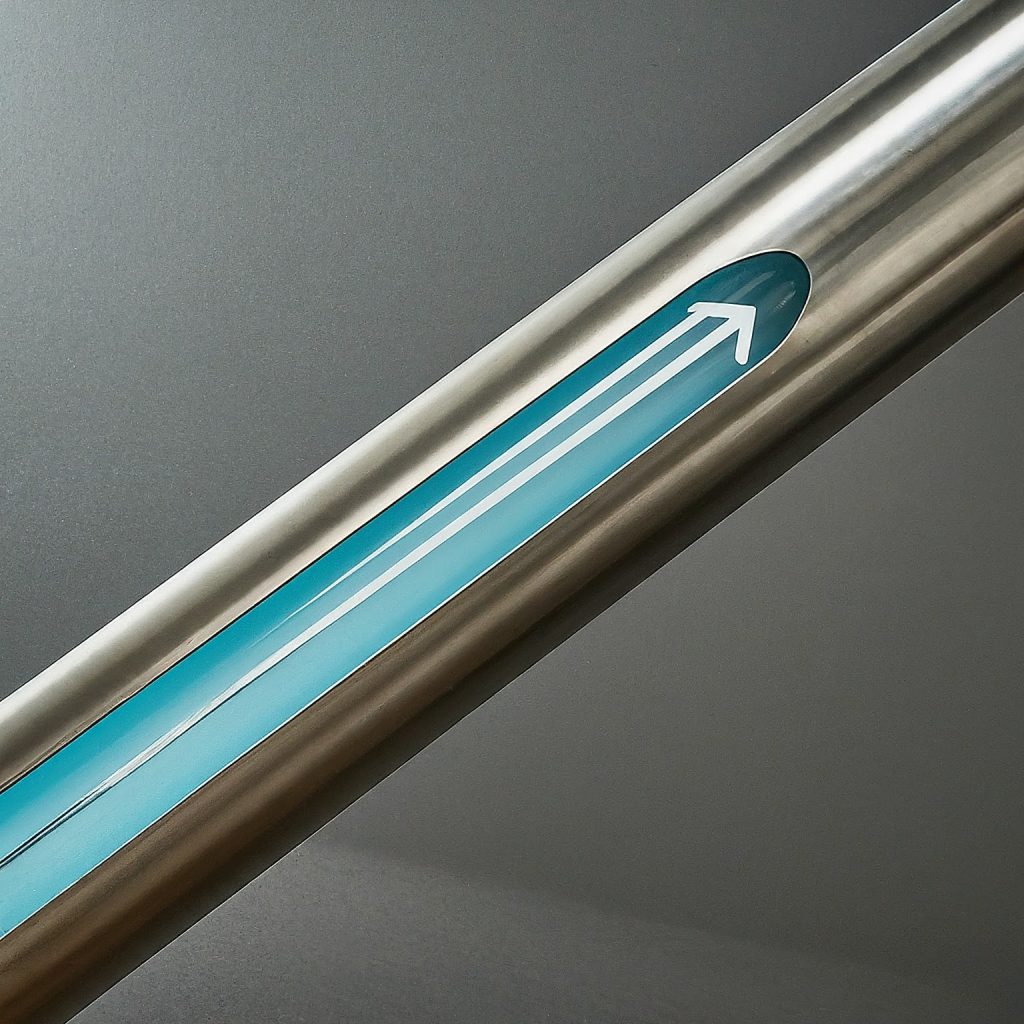
Distinctively controlling tube refining routines considerably boosts conveyance operation insofar as minimizing accumulations and assuring pipeline cleaning pigs constructive sturdiness.
Passage scrubbing represents a vital method for upholding the reliability of fuel carriers. This process incorporates using a implement, often identified as a “pig,” to journey through the pipeline and dispose of deposits like scale, detect corrosion, and restore flow function. Learning the varied variations of pigging actions, from rudimentary sphere pigs to more detailed intelligent pigs with gauges, is key for improving pipeline stability and lowering maintenance costs.
The Domain of Tube Clearing Instruments
An process of pipeline cleaning, often accomplished with specialized tools known as transits, is a surprisingly complicated area of innovation. These tools aren't just merely brushes; their design and function are rooted in circulating dynamics and matter science. Customarily, pigs are inserted into a passage and travel with the circulation of the commodity, steadily removing accumulations of crud, rust, and other fragments. Distinct types of pigs can be found, each engineered to address distinct challenges. For case, ferrous pigs deploy magnetic energy to move along through hard bends and tilts, while bubble pigs dismantle attached deposits. The efficiency of a pigging undertaking is strongly linked to understanding the duct's characteristics and selecting the suitable pig for the obligation.
- Cleaner Types
- Moving Movement
- Stuff Reaction
Elevating Each Pipeline Clearing Process
To attain maximal effectiveness of your system, comprehensive pipeline cleaning is completely important. Regularly checking your pipelines and adopting a systematic cleaning procedure can greatly reduce downtime and dodge costly adjustments. Consider combining preventative methods, such as periodic rinsing with appropriate agents, and deploying advanced tools like pigging or hydrojetting to eradicate buildup. A effective cleaning regime will sustain pipeline operational life and enhance overall executive effectiveness.
Purging for Pipeline Support: Best Practices
To secure optimal duct performance, employing internal inspection strategies is fundamental. Best procedures involve frequent assessments of mechanism condition and picking of the proper type for the targeted application. Careful consideration of implement extent, content, and propulsion mechanism is essential. Furthermore, intensive registering of pigging cycles and any discovered discrepancies is essential for capable passage asset control.
Explain Pigging? Grasping Pipeline Sanitizing Technology
Purging, frequently termed pipeline scrutiny technology, represents a crucial process for maintaining the health of pipelines used for moving liquids and gases. Essentially, a “pig” – that’s a cylindrical implement – is inserted through the channel to dislodge debris, accumulation, and decay that collects over time. This cleansing process allows to maximize flow capacity, lower the risk of breakdowns, and extend the lifespan of the entire pipeline structure.
Sorts of Tube Scouring Tools: Picking the Best Instrument
Various types of passage scouring pigs are supplied to manage differing channel circumstances. Dual launchers advance in both trajectories, best for clearing isolated debris. Bowl apparatus are exceptional for dislodging deposits from tube walls, while fiber devices are designed for managing wear and substantial accumulation cluster. Chemical pigs deploy custom chemical mediums to disintegrate deposits, and dynamic devices offer advanced examination capabilities. Consequently, exacting review of pipe peculiarities is imperative for designating the correct pig for the role.
Improvements of Periodic Pigging for Pipeline Soundness
Regular cleansing tasks offer substantial advantages for pipeline health. These robotic apparatuses effectively eliminate deposits like encrustations and rust, which can curb flow and weaken the pipe’s integrity. By identifying wear early, pigging provides proactive upkeep, curtailing the possibility of costly errors and guaranteeing the stable performance of the full pipeline organization. This, in turn, enhances performance and drops operational expenses.
Certain Step-by-Step Guide to the Pipeline Cleaning Process
To begin the line cleaning routine, first, a comprehensive examination of the line is required. Next, the appropriate cleaning strategy is identified, which has the potential to include methods like flushing or agent procession. The device is then deliberately positioned into the pipeline and driven along its distance. In the course of the progression, the pig clears gathered residues. Finally, the washed implement is retrieved, and a concluding examination ascertains the tube’s neatness.
Troubleshooting Common Issues in Pipeline Pigging
Addressing difficulties that present during pipeline scraping operations is important for upholding foremost flow functionality. Frequent difficulties often turn around gadget sticking within the line, which can be attributed to build-up of scale, hydrate development, or improper positioning of the tool. Proper assessment often necessitates pressure tracking, visual review of pig positioning data, and potentially sophisticated equipment for device removal. Furthermore, problems related to worn cups or seals on the pig also compel early attention to stop more critical operational breakdowns and costly overhauls.