Launching
The escalating complexity within state-of-the-art transportation means presses for the extensive insight of diagnostic methods, particularly about On-Board Diagnostics II (OBD2) and Tire Pressure Monitoring Networks (TPMS). Within Europe, Asia, and the US, these advancements operate using heterogeneous frequencies. OBD2 directives are largely synchronized globally, chiefly utilizing ISO 9141-50, KWP2000, CAN, and others, but regional deployments can generate minor alterations. TPMS, however, is where major frequency diversities emerge. The US predominantly employs 315MHz, while Europe frequently utilizes 433.92MHz, and Asia displays a more diverse range including both frequencies and ancillary bands. Accordingly, precise diagnostic equipment must be loaded with the aptitude to comprehend these countless frequencies to assist effective resolution and maintenance.
Revealing TPMS Sensor Frequencies: A Global Guide (Europe, North America, Asia)
Fathoming tire checking apparatus (TPMS) detector signals throughout the world can be hard. Habitually, North lands largely utilize 315 MHz, though some updated vehicles employ 433 MHz. Nonetheless, Europe and most of Asia largely run on the 433 MHz spectrum, with some regional variations surfacing chiefly in select Asian countries. Accordingly, central to validate the right wavelength in advance of buying TPMS sensors to warrant alignment and escape potential snags.
Electric Auto Analyzers: OBD2 Compatibility and TPMS Integration
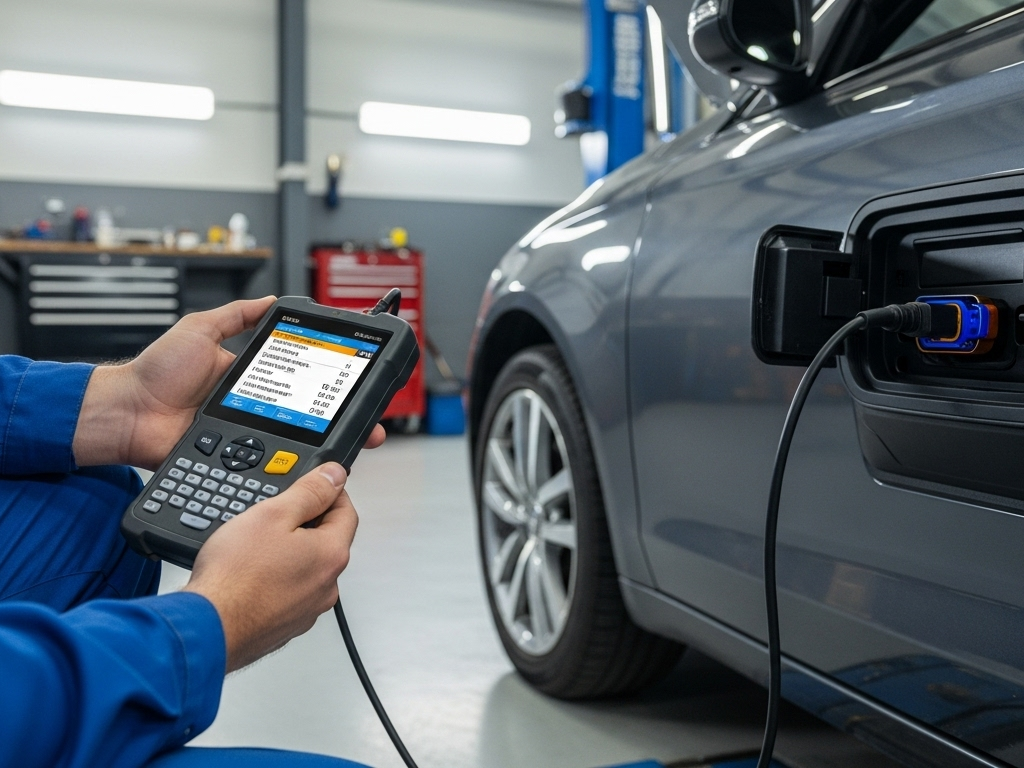
New battery-operated transport readers are increasingly integrating necessary functionality, especially concerning both conventional On-Board Diagnostics II (OBD2) integration and Tire Pressure Monitoring System (TPMS) integration. Multiple zero-emission transport units utilize OBD2 ports for obtaining vital system figures, enabling technicians and caretakers to pinpoint potential errors. Furthermore, smooth TPMS integration provides correct tire pressure outputs, assisting to amplified safety and combustion efficiency. This mixture of OBD2 access and TPMS assistance symbolizes a important enhancement in battery transport diagnosis.
Tire Pressure Frequency Distinctions: The Continent vs. American Continent vs. Asia - A Extensive Inspection
These platforms responsible for watching tire inflation—TPMS—operate on different radio waves, leading to notable regional divergences. US Region predominantly utilizes 315 MHz, though some newer vehicles are shifting to 433 MHz. Eurozone mandates 433.92 MHz, a fixed frequency to guarantee conformity across areas. East Asia exhibits a fragmented landscape, with distinct territories using 315 MHz, others 433 MHz, and still other territories employing a blend of both. This contrast results in challenges for service points and vehicle owners when dealing with replacement TPMS devices or diagnostic machinery, involving careful assessment of regional specifications to prevent malfunctions and secure proper efficiency of the TPMS.
Auto Scanners for Battery-Powered Cars: Tire Pressure Monitoring System Evaluation & Signal Analysis
Up-to-date ride scanners are increasingly broadening to facilitate energy-based motors, particularly regarding tire pressure monitoring troubleshooting. Unlike gasoline autos, battery cars present distinct complexities when it comes to tire data checks. Many electric autos use different tire sensor platforms frequencies requiring the scanner to precisely analyze the channel in use. This ability enables technicians to principally check wheel pressure but also identify the precise broadcast being beamed by the sensor array detectors, assisting in meticulous inspection of errors.
Europe Tire Monitoring Channels: Which Wish to Comprehend?
Understanding the world of transport TPMS can be a complication, primarily due to the varying bands utilized across Europe, Asia, and the United States. European vehicles predominantly use 433.92 MHz, while diverse Asian countries employ 315 MHz and 433.92 MHz, creating a complicated situation for technicians. In the US, both 315 MHz and 433.92 MHz are popular, with 315 MHz being more frequent. Accordingly, understanding these regional divergences is critical for accurately attending to TPMS difficulties and selecting the appropriate programming tools.
Developing those Basics: Transport Diagnostics, Electrified Motorcars, along with TPMS Instrument Frequency Determination
For professional vehicle experts, simply absorbing this basics pertaining to OBD2, electrified transport architecture, alongside tire pressure monitoring apparatus channel recognition indicates a vital advanced increment. Such categories probe beyond elementary processes, requiring specific devices as well as knowledge for faithfully recognize and repair complicated obstacles dependent on tire monitoring, energy network output, in addition to powertrain error alerts. In addition, efficiently diagnosing TPMS device signal rates – that are change among particular producers together with designs – frequently mandatory to flawless alignment.
Electric Car Evaluation: Using OBD2 Scanners to Troubleshoot TPMS
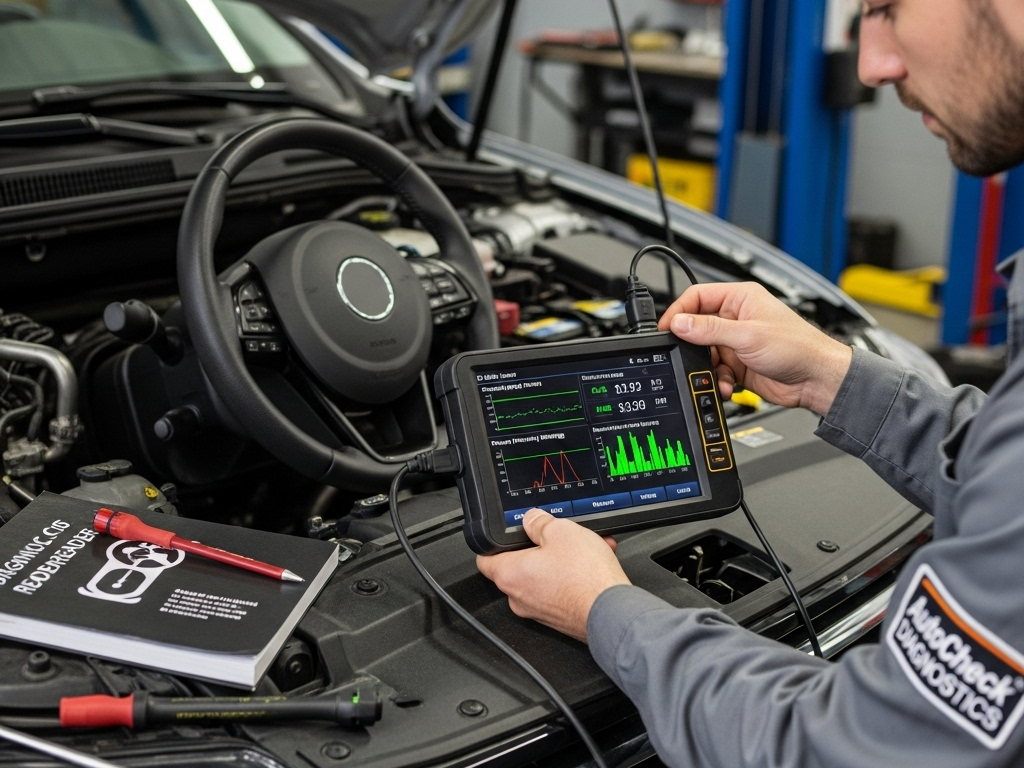
Analyzing Tire Pressure Monitoring Systems tire info systems in electric vehicles zero-emission cars often entails more than exclusively visual inspection. Modern OBD2 analyzers offer noticeable ability to collect TPMS data and discover potential problems. Utilizing these instruments, technicians can interpret fault codes, examine sensor status, and even apply sensor verifications, allowing for robust diagnosis of monitoring abnormalities and minimizing service disruption. These is especially necessary given the widespread complexity of EV electronics.
Interpreting Tire Monitoring Bands: A Simple Guide for European Union, Far East, and North American Zone
Reliably operating pressure detection units all over Western Europe, Asia, and US and Canada needs a complete proficiency of the changing wireless spectrums they employ. As opposed to a common system, each region habitually follows specific signal extents. Namely Europe predominantly depends on 315 MHz range and 433.92 MHz band, while the Continent typically uses 315 MHz range though several fresh models could embrace 433.92 MHz frequency. Asian Continent provides a greater multiplicity situation, with a variety of signal extents applied, in accordance with the nation and automotive over-the-air verification company.
- Consider territorial statutes regarding signal range.
- Refer to your owner's handbook for clearly stated band.
- Use a pressure detecting scanner ready to reading diverse signals.