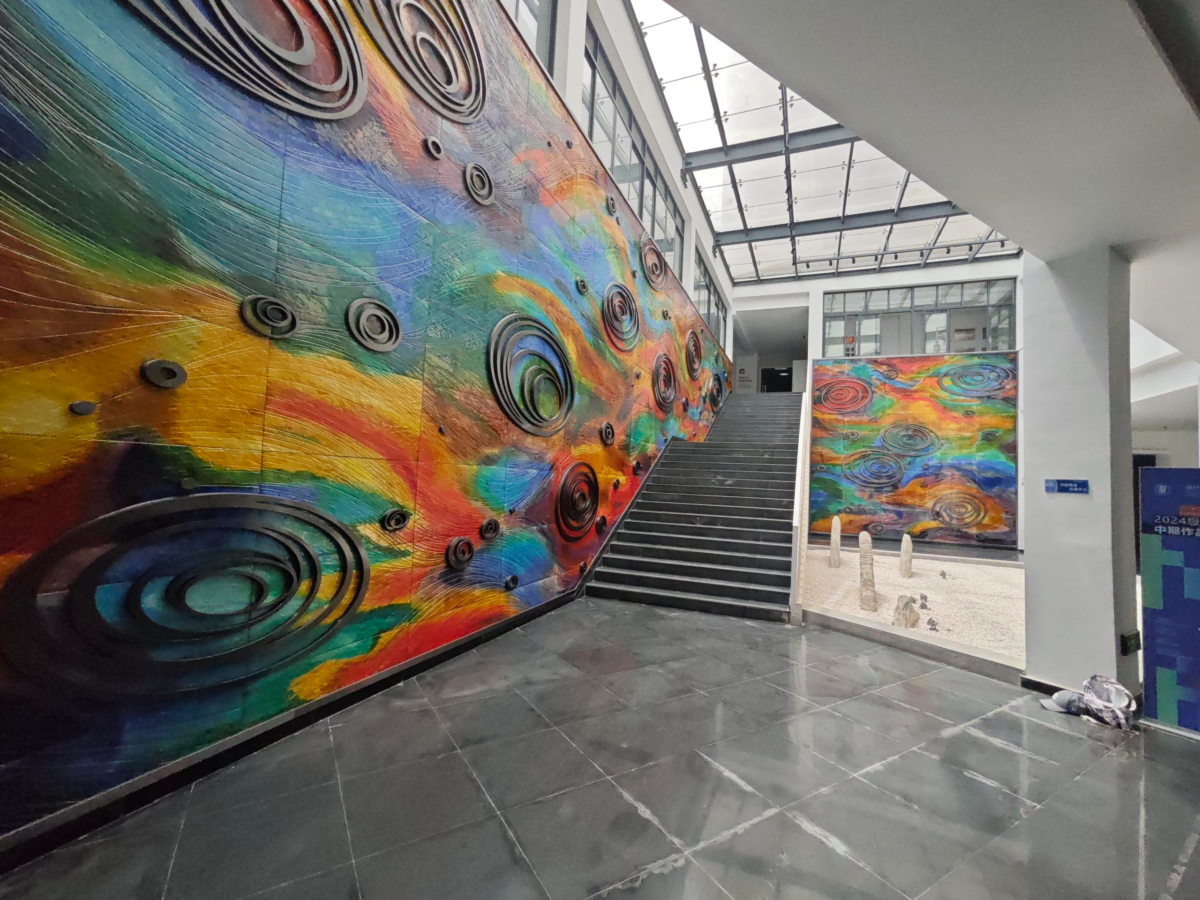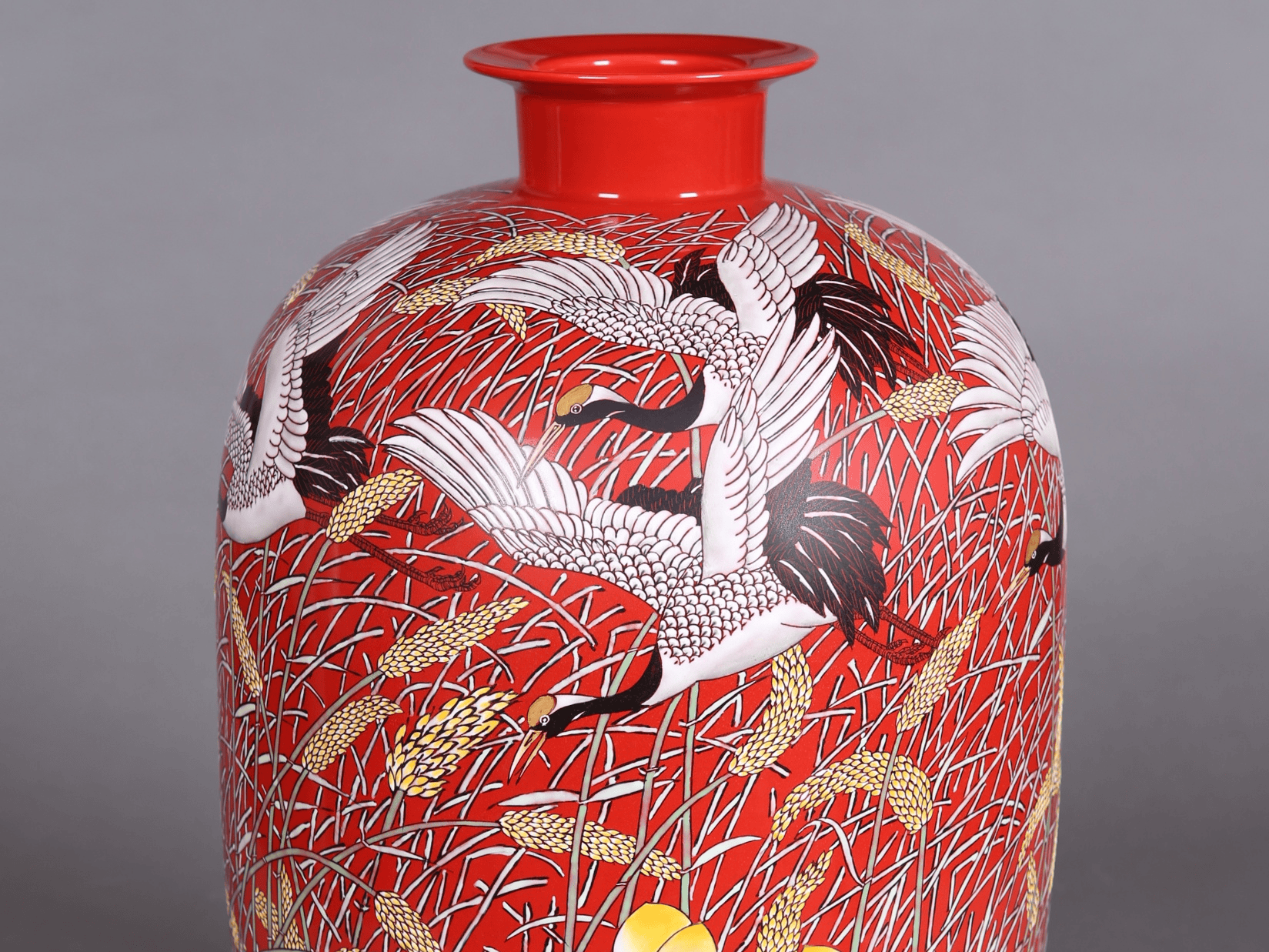
Ceramic work reflects a remarkable practice form with a lengthy heritage, reaching back innumerable of years. From ancient holders to cutting-edge displays, the stuff offers unparalleled possibilities for creative representation. Artists work with distinct techniques – including hand-building, wheel shaping, and refined firing processes – to manufacture humble earth into captivating three-dimensional artifacts. The durability of fired clay also contributes to its status as a truly memorable part of human custom.
Investigating Earthenware Shield Configurations and Techniques
The field of ceramic marker design offers a ample array of original possibilities. Artists often utilize a combination of conventional and current techniques to craft visually bold pieces. These can range from simple, sculpted reliefs to complex, multi-layered layouts. Widely practiced methods include shape forming, sculpting by hand, coating application – which can involve different techniques like painting beneath the glaze, top glaze design, and incised illustration where designs are highlighted by excavating a layer of shell. Expanded inquiry into surface treatments such as the raku firing method and lustre decoration can produce truly unique and personalized brick boards.
- Mold Fabrication - Generating pieces using a design
- Hand Shaping - Meticulously shaping the soil
- Coating - Covering the exterior with a lustrous finish
- Scraped detail - Highlighting designs by peeling off overlays
Engaging Experiences: Pottery Art Expositions
The advancing landscape of craftsmanship presents exciting fresh avenues for guests, and ceramic art installations are at the pinnacle of this wave. These aren't just static forms; they are fabricated to envelop the participant in a sensory atmosphere. Imagine stepping into a forest of towering, finished ceramic trees, or navigating a tangle of fragile ceramic vessels. Many producers are now incorporating tones, visuals, and even smell to enhance the impression of their work. Think about the power of a room filled with hundreds of thoughtfully ceramic pieces, each telling a narrative. Traditionally, such installations delve into themes of nature, nostalgia, and humankind.
- The mentioned installations blur the divisions between statue and building.
- Witnessing a ceramic art installation can be a deeply profound journey.
- Designers are advancing the parameters of what is realizable with clay.
That Radiance of the Pottery Vessel: Role and Formation
The pottery vessel represents a lovely union of functionality and decorative appeal. Historically, these containers served a fundamental role in supporting objects, but their progression has transformed them into highly valued works of mastery. Each piece showcases the proficiency of the creator, demonstrating how shape can be as vital as application. The precise shaping, the individual glazes, and the aggregate presence of a expertly-built holder can elevate a space, offering both charm and a intimate reminder of the human hand.
Current Terracotta Design : Extending Edges
Latest brick art represents a fascinating change from customary practices. Builders are increasingly pushing with fresh systems, mixing the lines between ceramics and separate imaginative realms. From massive installations to ornate miniature pieces, such works delve into themes of heritage while coincidingly redefining the essence of what ceramics can achieve. The consequence is a energetic domain of inspired presentation.
Porcelain Plate: Keeping Annals in Clay
Ceramic plaques offer a unique method for documenting significant events and people. Differing from traditional metal or stone markers, these durable pieces of art are formed from fired clay, creating a tangible link ceramic art installation to the olden times. Typically, they illustrate intricate models or beautifully rendered imagery, revealing stories that might otherwise be disremembered. A technique, linked to ancient tribes, provides a stunning and enduring way to commemorate our collective story.
- These particular can be established in collective spaces.
- Various are now regarded historical relics.
Ceramic Art Presentations: Remodeling Locations
Pottery art installations are flourishing a potent medium for designers to reshape public and private environments. These immersive installations frequently involve massive clay sculptures that attract viewers, transforming their experience of the developed environment. By applying diverse processes like hand-building and complicated firing approaches, ceramic artists create truly extraordinary experiences, softening the thresholds between production and environment. The upshot is often a emotional transformation that improves the visual quality of the environment and inspires debate.
Start Wheel to Spectacle: The Craft of the Terracotta Pot
The journey of a terracotta pot from a simple lump of loam to a complete work of expression is a testament to human skill. Originally, the process starts with the potter’s spin wheel, where the experienced artisan builds the rotating soil into a cylindrical design. This early component demands accuracy and a attuned eye, followed by a delicate dehydration period. Once initially cooked, the receptacle is ready for embellishment, which may engage designing intricate motifs, cutting detailed vignettes, or incorporating a array of textures. The last cooking process then turns the work into a durable and exquisite receptacle, a tangible reflection of the craftsman's imagination.
Carving with Earthenware: A Manual to Terracotta Practice
Exploring the sphere of stoneware composition begins with recognizing the fundamentals of modeling with stoneware. The aforementioned practice involves methodically assembling and carving stuff to generate three-dimensional objects. Whether you're a novice or a skilled artisan, exploring with distinct categories of porcelain – namely brick – will promote you discover your unique approach. Finally, pottery pottery is a satisfying exploration that unites practical expertise with imaginative representation.