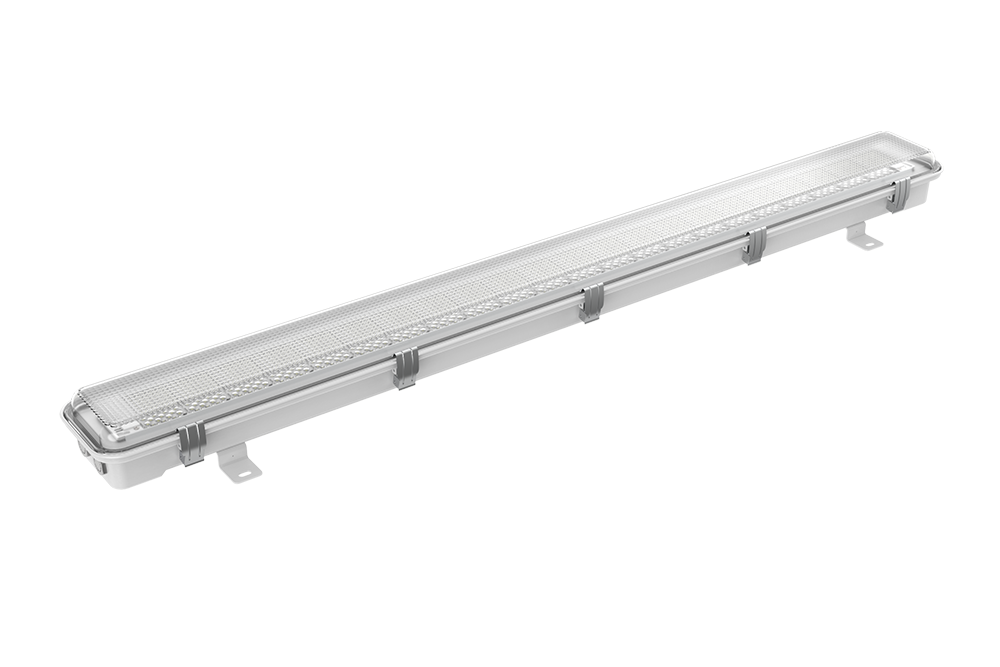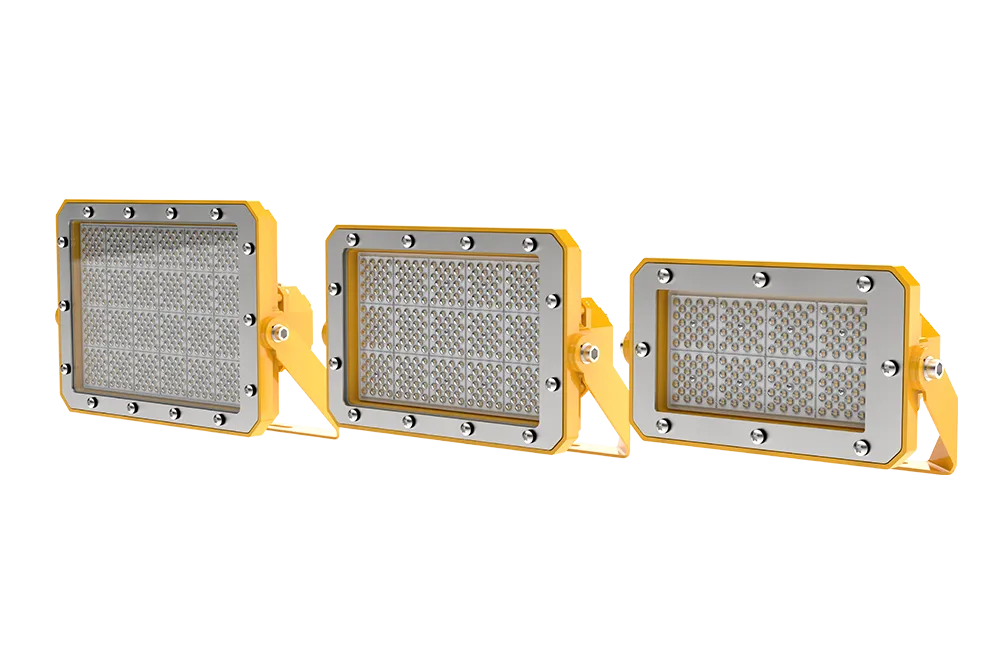
Launching such piece studies various approaches regarding explosion-proof devices throughout operational areas.
Operating dependably within treacherous places particularly industrial works commands designed tools intended to eliminate conceivable accidents. Spark-resistant fixtures are paramount components in comparable grounds, crafted to cope with ignitions, ignitable vapors, and ignitable regions. Such instruments are not originally risk-free; instead of that they are constructed to trap any inward energy release or flash and inhibit it from generating a larger detonation in the local site. This manual delivers significant instruction about explosion-proof lighting, their purposes, and hazard prevention matters for implementing them properly.
Recognizing Explosion Proof Lighting Standards
Operating within established explosion-proof lighting standards can be difficult, especially among businesses facing hazardous sites. These rules – often stemming from global bodies including the National Electrical Standard (NEC), ATEX (Europe), and IEC – formulate clear design and application practices to avoid the vulnerability of fire outbreaks from electrical equipment. Understanding these standards is essential for ensuring employee safety and adherence with regulatory mandates.
Light Emitting Diode Hazloc Certified Luminaires: Effectiveness & Protection
Luminescent hazard-resistant luminaires offer a significant development over previously used neon devices in sites where ignitable materials are detected. These durable mechanisms purely yield exceptional energy efficiency, producing decreased expenses, but crucially facilitate a augmented tier of security by mitigating the probability of flaring resulting from electrical sparks}.
Explosion Proofed Risky Place Toxic Proof Ignition Flame Flashpoint Resistant} Illumination : A Thorough Outline
Explosion Safe Dangerous Region Unsafe Proof} Luminaires are customarily built lighting solutions built to execute safely within possibly reactive settings. These robust fixtures block sparks, temperature and charge bursts from provoking a major explosion. They typically incorporate state-of-the-art designs, including specifically encased housings and by nature safe power items to guarantee safety criteria in sectors like hydrocarbon & gas processing, refinement plants, mining operations, and therapeutic production.
Appointing the Appropriate Spark-Proof Illumination for Treacherous Locations
Choosing the most appropriate hazard-resistant sources for a specific regulated area requires detailed inspection. Factors such as the categorization (e.g., Type I, II, or III and divisions 1) are required to be thoroughly assessed to validate conformity with relevant risk laws. Excluding the location’s natural menaces, ponder ambient circumstances, encompassing degrees and humidity, to locate a long-lasting and harmless resolution. Systematically consult a certified professional to support your evaluation.
Environments Where Mandate Explosion Proof Lights?
Explosion-proof otherwise named intrinsically safe|hazardous location|Class-rated} lights are essentially needed in specific areas where inflammable aerosols or debris could probably create a risky atmosphere. This frequently includes production conversion plants, protective layer application areas, harvest handling facilities, and effluent management treatment sites. Regulations, such as those from IEC and NEC, mandate their setup in these regions to reduce the risk of combustion and maintain safety performance.
Advantages of Light Emitting Diode in Intrinsically Safe Lighting
Switching to Semiconductor technology for hazloc systems offers a important variety of gains. First, solid-state lights boast a much longer lifespan compared to traditional arc units, reducing care fees and interruptions. They are also inherently safer, producing offset thermal flux which lowers the chance of ignition in flammable atmospheres. Besides, solid-state lights are more economical, leading to cut energy bills and a shrunk green footprint. Finally, the strong structure of Light Emitting Diode components tolerates the harsh milieus typical of blast-proof areas.
- Extended Functional Period
- Decreased Handling Outlays
- Improved Defense
- Decreased Fuel Utilization
- Heightened Longevity
Maintaining and Reviewing Explosion Proof Lighting Systems
Regular tuning and detailed scrutiny of intrinsically safe lighting schemes are critically fundamental for guaranteeing protection and avoiding potential perils. This includes a regular review of all items, such as lighting devices, lines, conductors, and attached connection boxes. Explicitly, test for degradation, physical defects, and proper electrical grounding. Also, ensure that entire signs are legible and that the illumination sources conforms to applicable codes.
- Implement ocular reviews.
- Evaluate electrical joints.
- Establish hazardous area certification.
Upcoming Trends of Explosion Proof Lighting Technology
Progressing landscape of explosion-proof sources technology indicates a considerable shift from traditional designs. Future applications will widely incorporate smart capabilities, enabling offsite monitoring, diagnostics, and adaptive control. We envision a widening adoption of crystal-based technology, not only for its primary energy efficiency, but also its skill to facilitate integrated sensors for identifying dangerous conditions. Additionally, materials investigation is pushing led explosion proof lighting innovations in resilient casing materials, allowing for reduced weight and improved designs, while retaining the mandatory levels of risk mitigation.
- Advanced battery life for transient applications.
- Merge with preventive maintenance frameworks.
- Creation of automated lens technology.